Your basket is currently empty!
DOGS AGGRESION BEHAVIOUR
AGGRESSIVE BEHAVIOUR IN DOGS
Have you become scared of your dog? Did it growl or even bit you? It is your dog communicating to you that something is unacceptable to it. Don’t invade your dog’s personal space while its sleeping and resting. your dog needs ‘me time’ just like humans do, if the dog wants to communicate, it will initiate a contact with you.
Try to analyse what happened before the aggressive behaviour occurred. what did you do and what did your dog do? How did you respond and how did your dog respond?
You need to overcome your fear. create some distance. if necessary, use objects to block the dog away from your body. If it is not your dog, you would require specialist help, don’t risk your health if the dog and you are do not already have an established trust and/or you do not know each other.
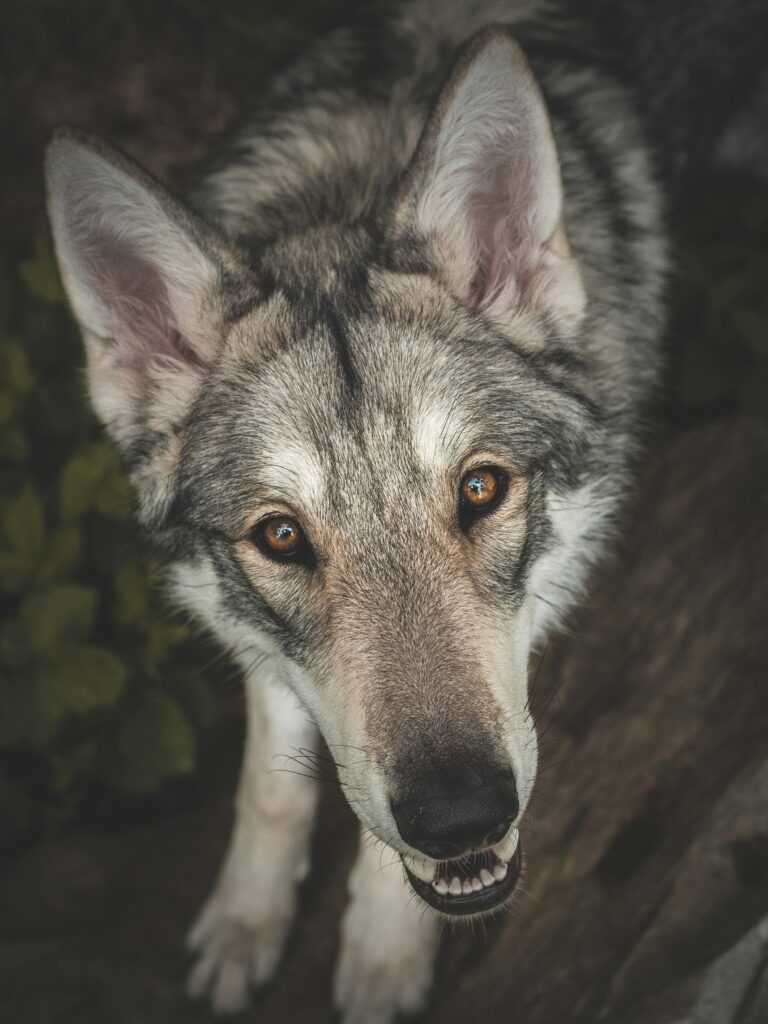
- never use physical punishment
- never encourage food aggression
- never let your dog disobey your commands (you can use various methods to show your dog that you are displeased without physical punishment or threatening behaviour)
- be attentive and notice if your dog is reactive to other dogs or distractions which can make your dog aggressive
- teach your dog to trust you and follow your lead and discourage your dog to make its own decisions without your approval
- illnesses and/or pain can make dogs aggressive
- be aware of your dog’s triggers if it reacts to any negative stimulus. For example, if your dog was bitten by a particular dog breed, it may be aggressive to other dogs of the same breed
- be aware of male on male and female on female aggression, mating behaviour and overprotection of puppies.
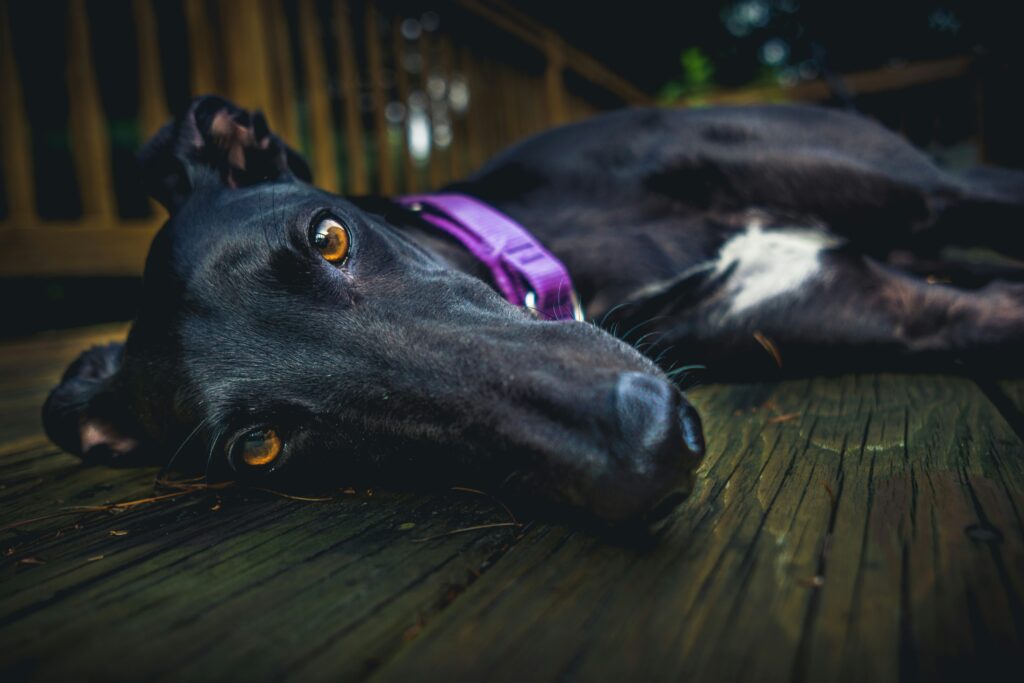
you need to believe that you will win your dog’s trust despite past failures and led by example. consistent training, patience and trust will result in success.
You must be logged in to post a comment.